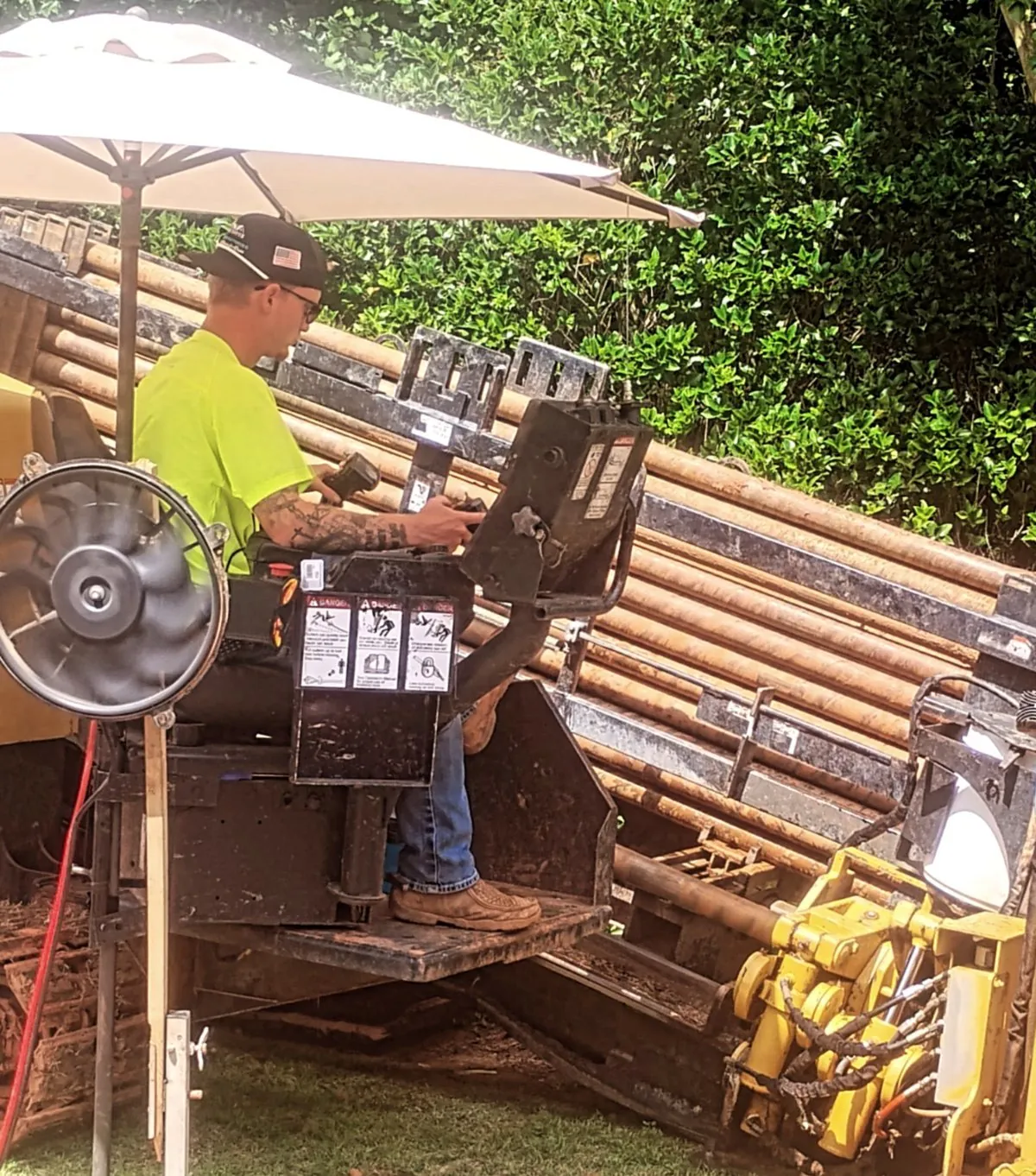
Horizontal directional drilling
Trenchless crossings under highways, rail, driveways, and waterways. The conduit goes in, the surface stays intact, and traffic keeps moving.
The right tool when the route crosses something you can't dig through.
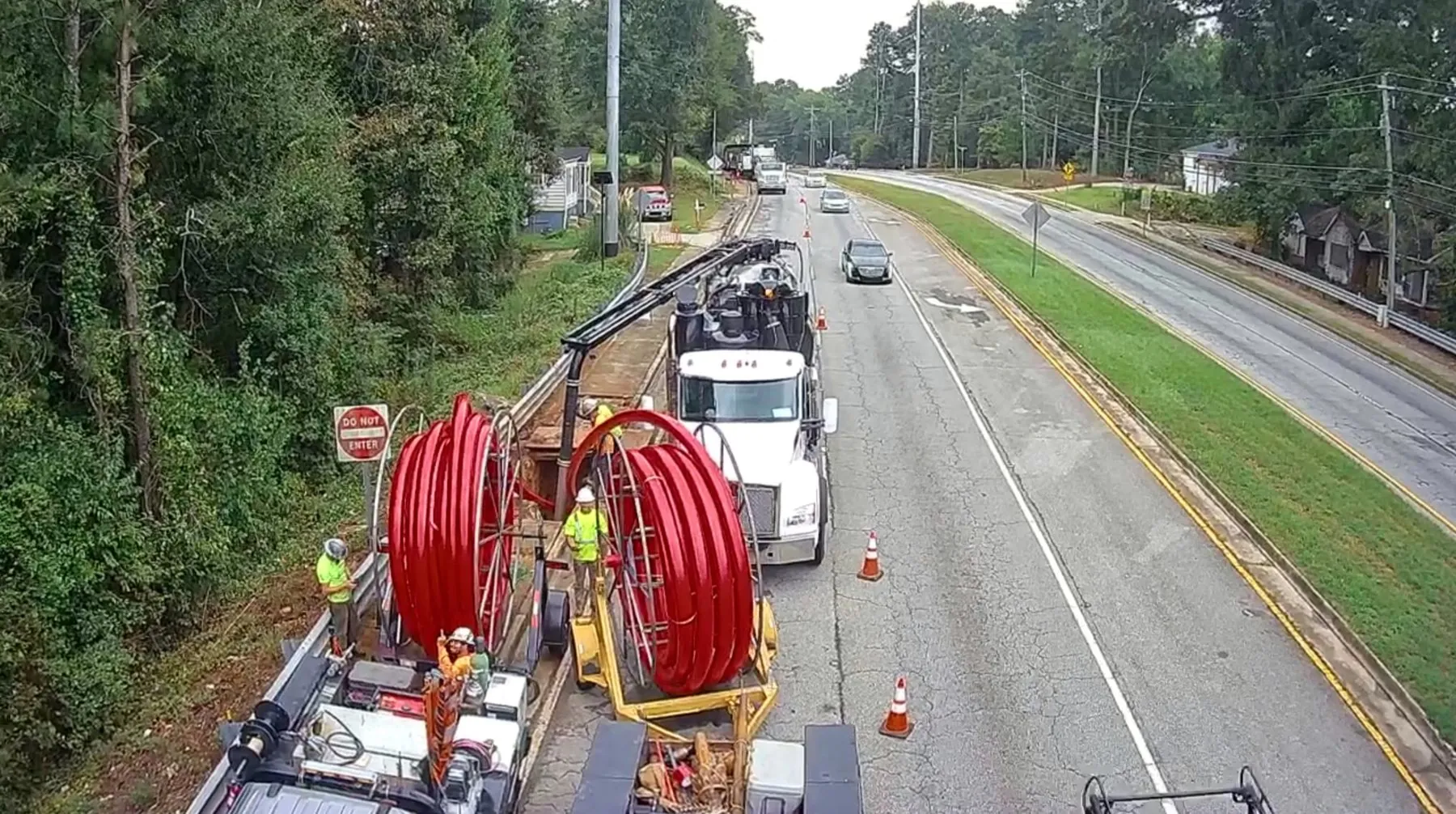
Horizontal directional drilling (HDD) installs conduit along a steered underground path, entering and exiting at the surface with no open trench in between.
It's the right method when a route crosses a state highway, a rail line, a creek, a finished driveway, or a stretch of mature landscaping. The surface stays intact, restoration is limited to the entry and exit pits, and the public barely knows you were there.
Sosebee self-performs the full bore with our own rigs and operators, from locates and potholing through pilot, ream, and pullback. Our directional drilling work is backed by Directional Drilling (HDD) certification through National Field Certifications.
What we bore.
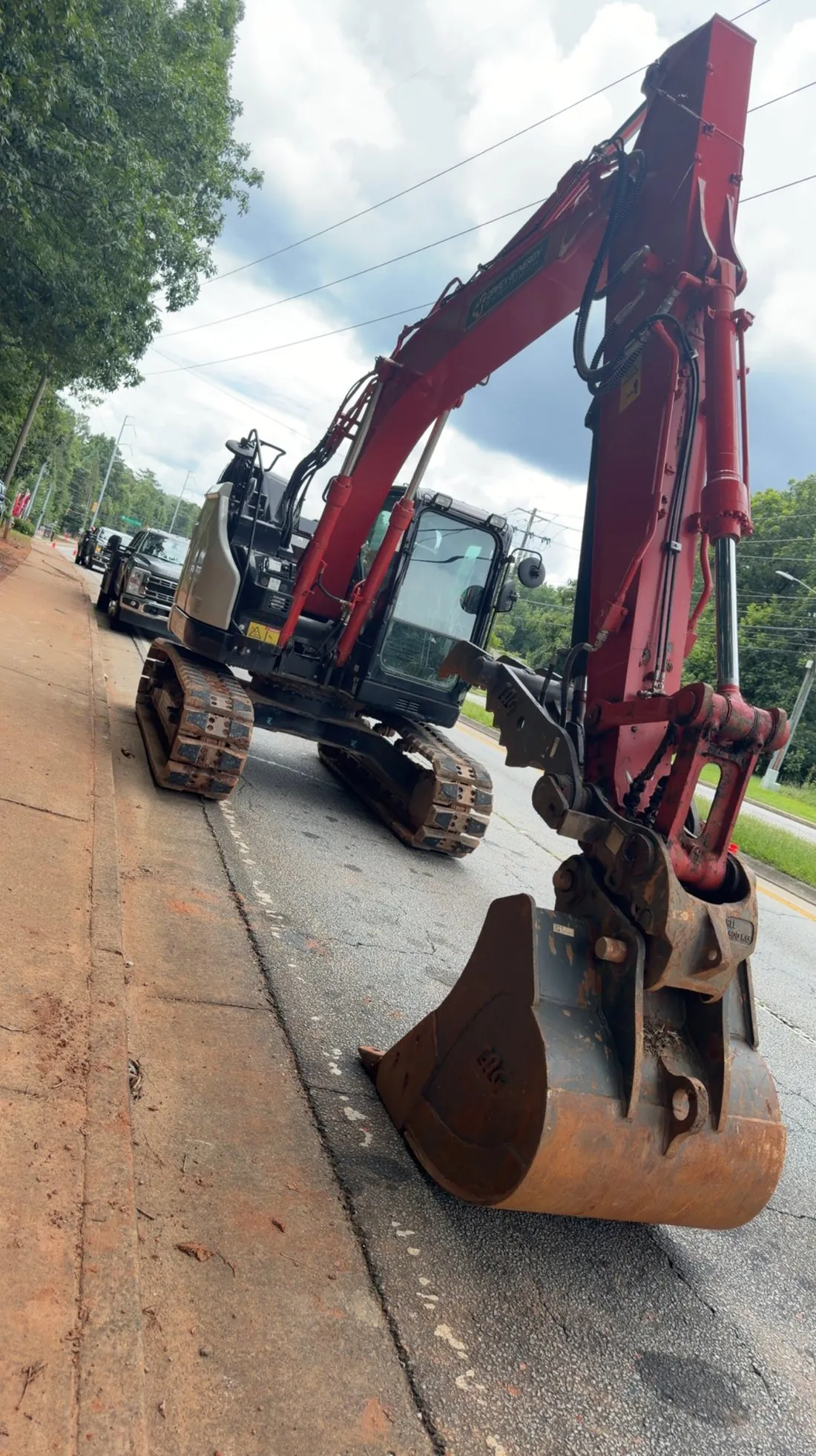
The crossings and conduit work our directional drilling crews handle every day.
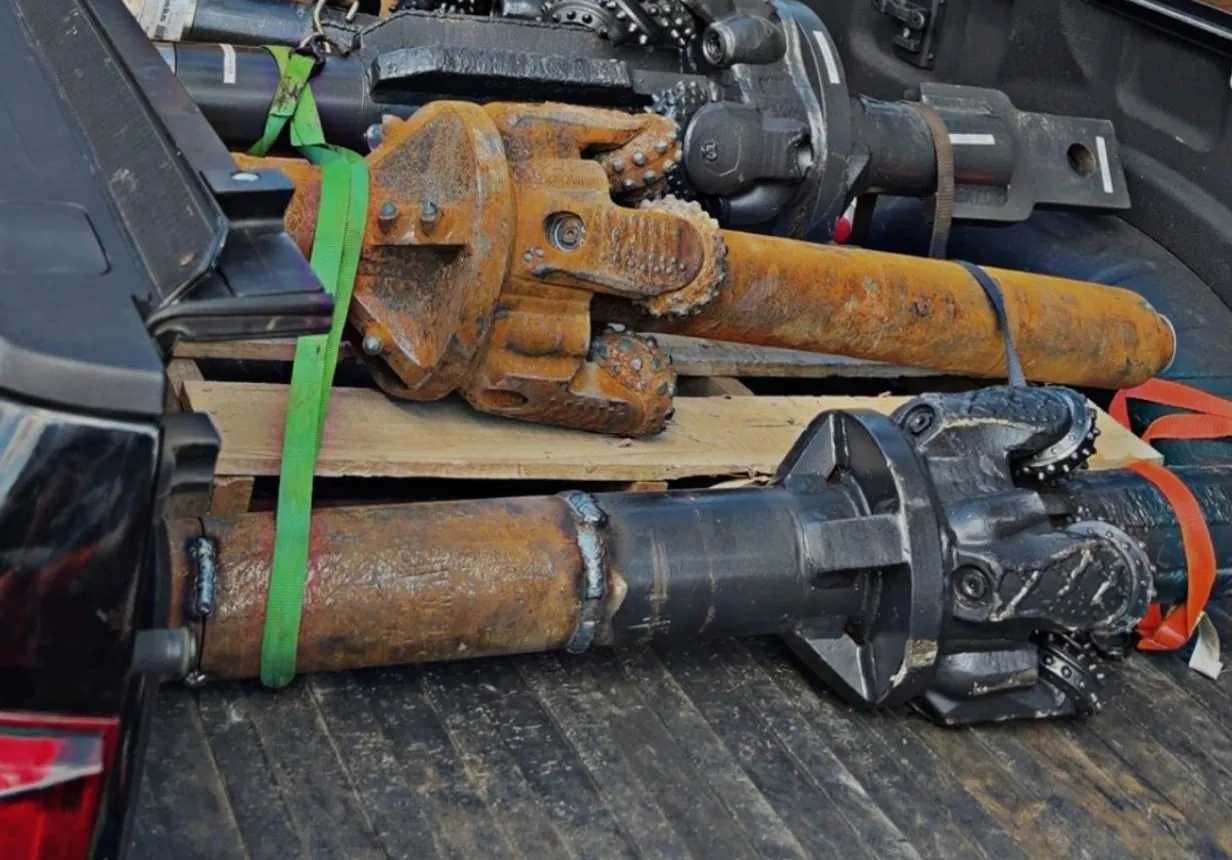
Three passes, one clean crossing.
Pick a stage to watch the bore travel under the highway, with live depth and stationing.
Illustration. Depths and stationing are representative, not from a specific job.
From locate to restore.
Every Sosebee bore follows the same sequence, from the first locate to the last shovel of backfill.
Common questions.
What is horizontal directional drilling?
Horizontal directional drilling (HDD) is a trenchless method of installing underground conduit and pipe. A drill rig bores a steerable pilot hole along a planned path, the hole is enlarged with a reamer, and the product is pulled back through it, leaving the surface undisturbed between the entry and exit points.
When is directional drilling better than open trenching?
When the route crosses roads, rail, waterways, driveways, or other surfaces that are expensive or disruptive to cut and restore. HDD keeps traffic moving and limits restoration to the entry and exit pits.
How do you avoid hitting existing utilities?
Every bore starts with confirmed 811 locates. Conflicts in the path are potholed and verified, and the drill head is tracked from the surface throughout the pilot bore.
Are your directional drilling crews certified?
Yes. Our directional drilling work is backed by Directional Drilling (HDD) certification through National Field Certifications.
Where does Sosebee work?
We are headquartered in Hayesville, North Carolina, and mobilize crews nationwide.
More from Sosebee.
One crew for the bore, the conduit, and the restoration.
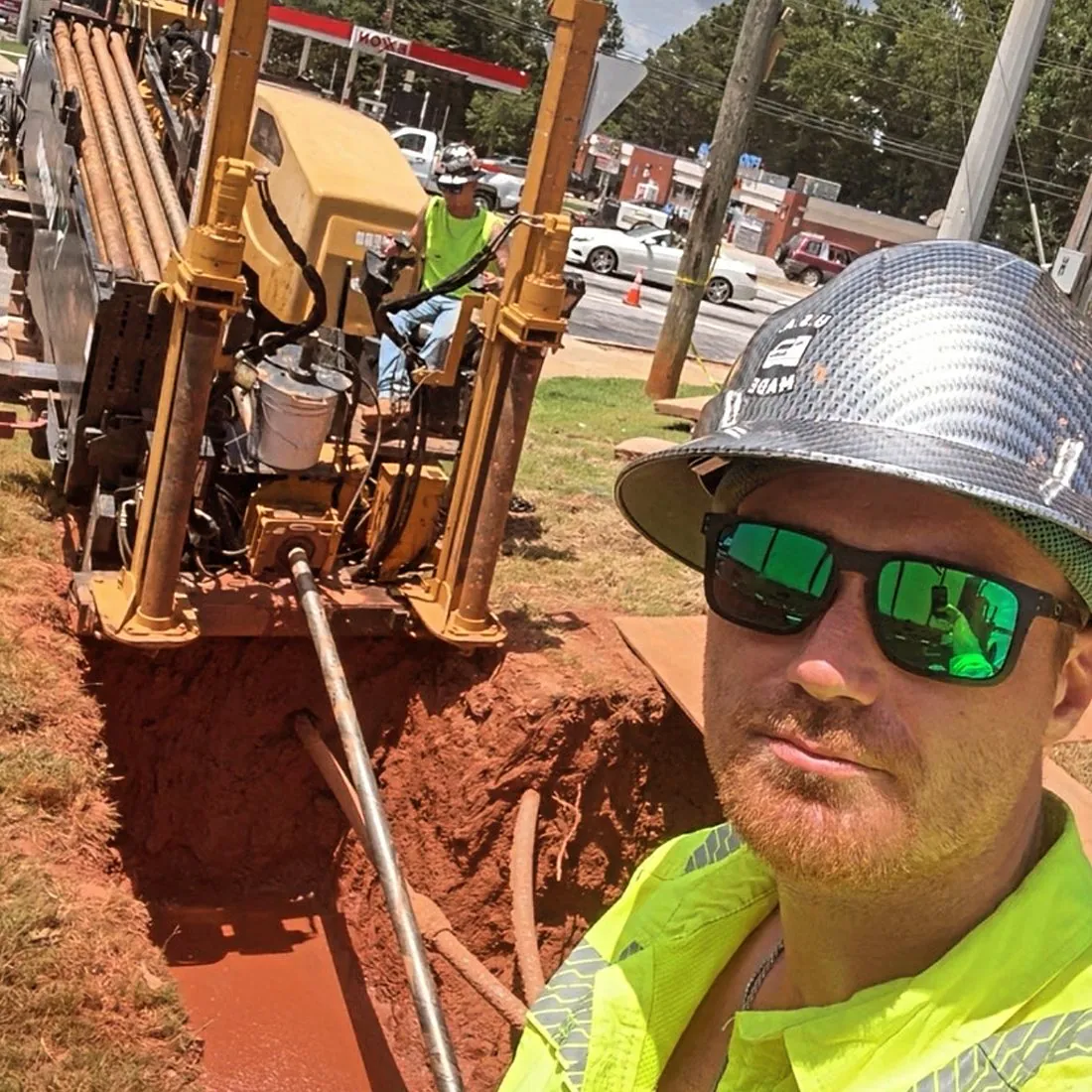
Have a crossing to make?
(828) 557-9576Call the office directly. You'll reach the people who run the work.
- Headquarters
- 130 Dairy Way
Hayesville, NC 28904 - Service area
- Nationwide
- Established
- 2018
- Certification
- HDD certified ↗